


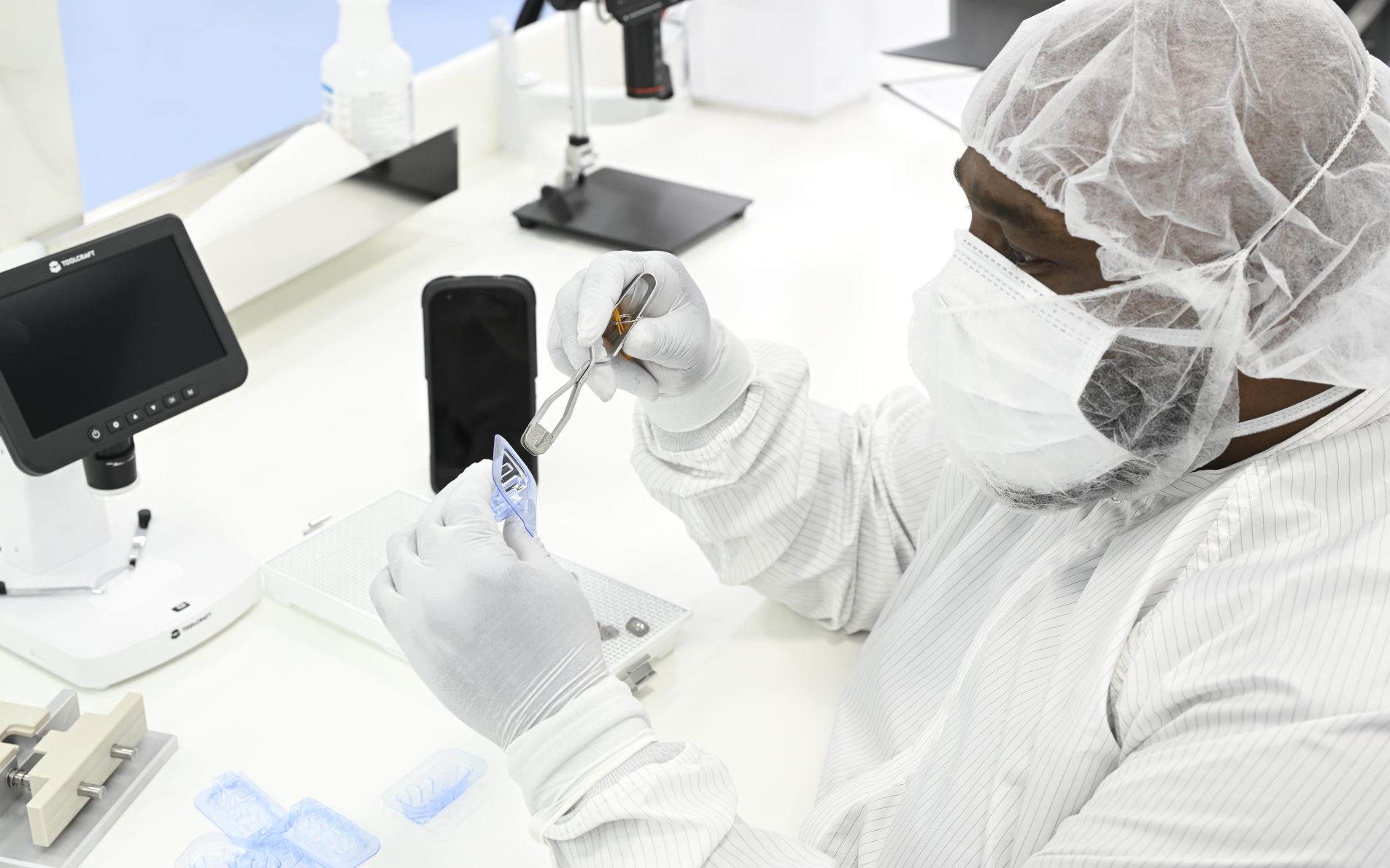
| ✓ ISO Class 7 cleanroom | ✓ ISO 13485 certified | ✓ Full process documentation |
| ✓ FDA-aligned processes | ✓ Scalable capacity | ✓ Swiss-engineered quality |
One Submission. No Surprises.
How Fruh and a leading US spine solution provider brought a Class 3 implant through FDA submission and into production, right first time.
Challenge
A United States medtech spine manufacturer needed to bring a Class 3 spinal implant through FDA review and into production within twelve months, preferably without multiple question loops. For a device of this risk classification, approval depends heavily on the quality, completeness, and scientific content of the submission package. FDA reviewers expect clear evidence that the packaging system will maintain sterility, protect the device throughout its shelf life, and perform reliably under real-world conditions. Any gaps, inconsistencies, or unsupported claims can trigger additional questions, extending review timelines neither the customer nor Fruh could afford.
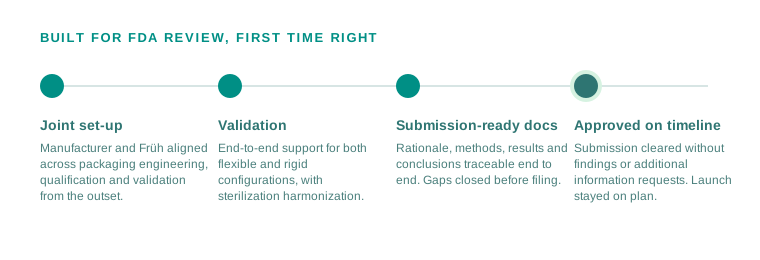
To meet this challenge, the manufacturer and Fruh worked hand in hand across packaging engineering, qualification and validation activities (e.g. packaging, sterilization, etc.) to fulfil regulatory expectations and develop documentation aligned with FDA review requirements from the outset.
From an approval perspective, success is achieved when reviewers have the information they need to assess safety and effectiveness without requesting clarification or additional testing. That level of confidence comes from experience with regulatory scrutiny, designing validation activities to withstand review, and creating submission ready documentation. Rather than reacting to deficiencies after submission, the goal is to build an approval-focused package from the first draft, one that supports a streamlined review process.
What We Did
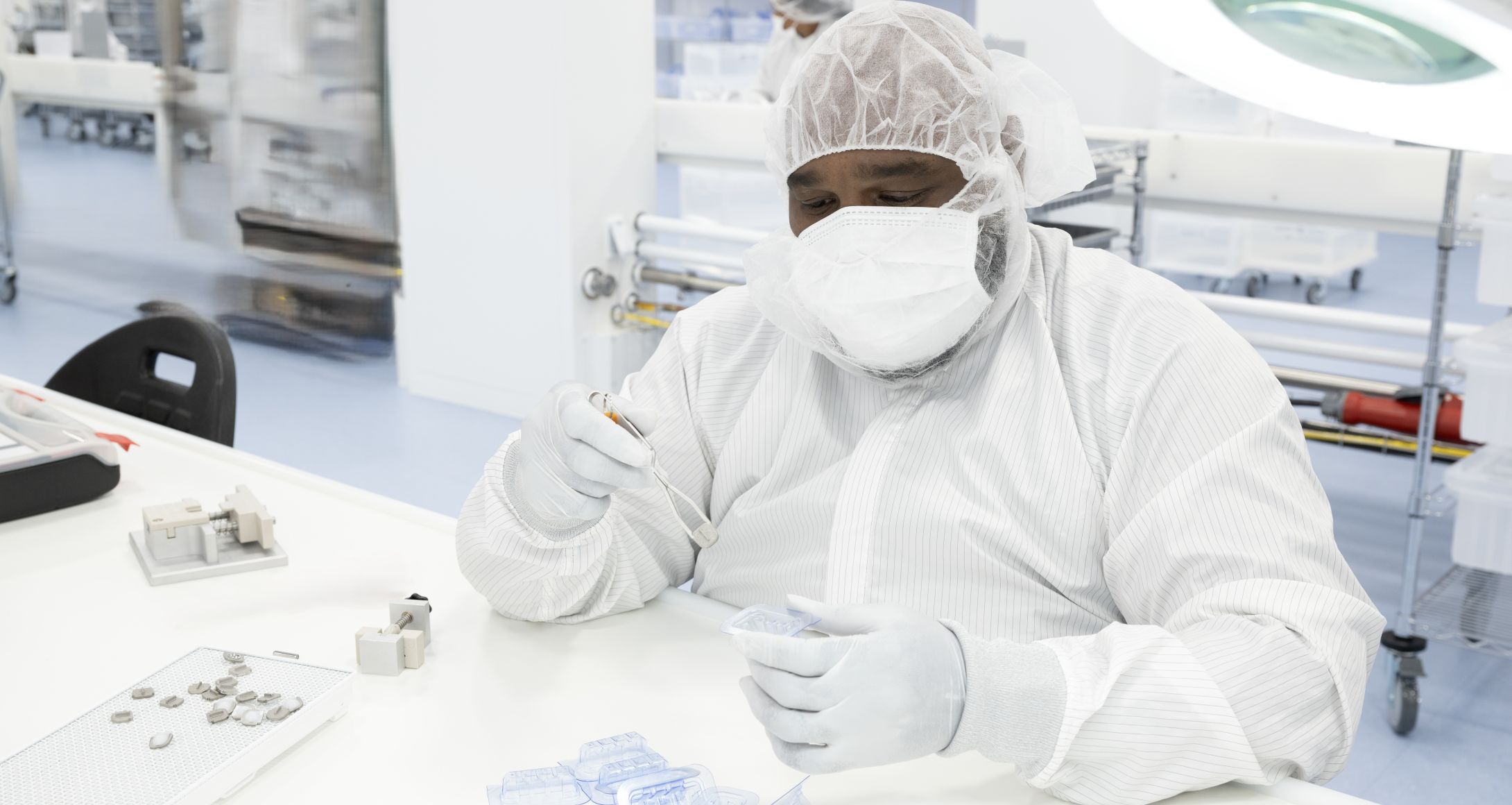
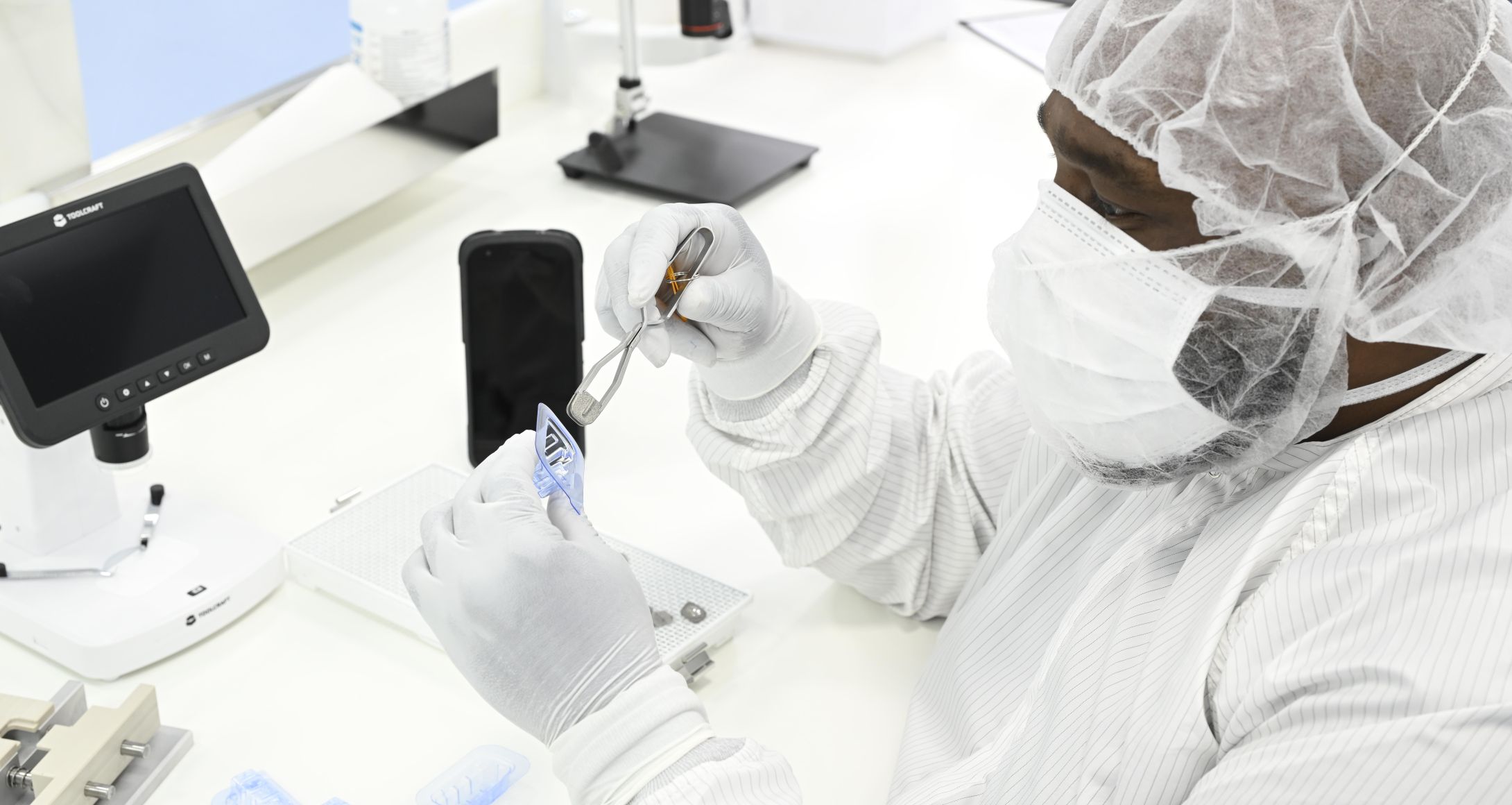
To meet an aggressive launch timeline, the manufacturer and Fruh jointly managed the entire packaging and sterilization workstream. Früh provided end-to-end support, including production set-up, packaging engineering, validation and sterilization harmonization for the Class 3 implant, which was offered in both flexible and rigid packaging configurations.
For the manufacturer, however, technical execution was only part of the challenge. Regulatory approval depended not only on completing the required testing, but on presenting the resulting evidence in a way that would withstand FDA scrutiny. Every validation report, protocol, and supporting document needed to be complete, traceable, and submission-ready.
To get there, Fruh built the documentation package around how FDA reviewers actually work through a submission. Rationale, test methods, results and conclusions were structured to be traceable end to end, so a reviewer could follow the logic without stopping to ask for clarification. Potential gaps were closed before filing rather than after. The result was a comprehensive submission package designed to support a smooth review and keep the product launch on schedule.
Result
The successful FDA submission enabled the manufacturer to successfully implement a Local for Local strategy without delays caused by regulatory findings or additional information requests. By securing approval within the planned timeline, the company stayed on track with its commercial objectives and continued to create revenue as per plan.
The value extended well beyond the submission itself. With a validated packaging and sterilization process in place, the manufacturer gained a more efficient and resilient supply chain, including shorter lead times, local U.S. based support, and greater flexibility to respond to changing market demands. These advantages provide a strong foundation for future product introductions and portfolio expansion.
For the manufacturer, a first-time right submission is more than a regulatory milestone. It reduces risk, protects launch timelines, and creates the operational stability needed to support long-term growth. When approval is achieved without avoidable delays, the business can focus on scaling production, serving customers, and bringing the next generation of products to market.
Any questions or reference needed?
Tell us about your project and we'll help you figure out the best fit.